
Sleep Apnea Treatment Whitney
Get the Restful Sleep You Deserve
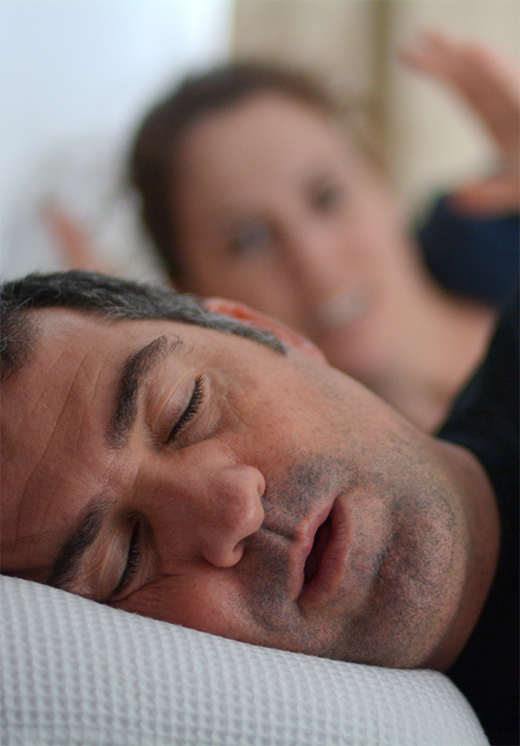
Are you always tired, no matter how much sleep you get? Does your partner complain about your loud snoring? If so, you might have obstructive sleep apnea, a serious sleep disorder characterized by repeated cessations of breathing during the night. Typically, it’s caused by tissues in the back of the throat collapsing and blocking the airway. Many patients with sleep apnea aren’t aware they have it, but leaving it untreated can have dangerous complications. Dr. Jay Oakey has special training in using oral appliances to treat sleep apnea. To learn how you can start sleeping more easily, contact Lake Whitney Dental to schedule a sleep apnea consultation today.
Why Choose Lake Whitney Dental for Sleep Apnea Treatment?
- Dentist with Special Training in Treating Sleep Apnea
- Effective Alternative to CPAP Therapy
- Comfortable Oral Appliances Personalized for Each Patient
What Is Sleep Apnea?
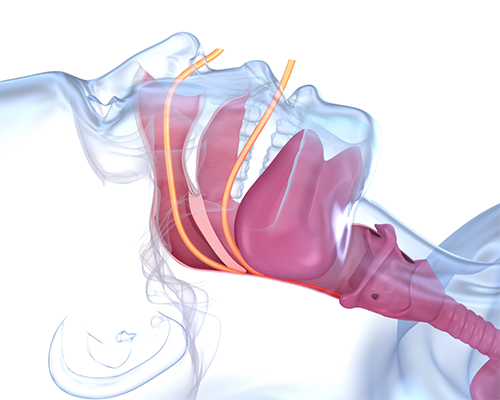
Sleep apnea is a serious sleep disorder in which a patient’s breathing repeatedly stops and starts throughout the night. The most common form, obstructive sleep apnea, occurs when the muscles in the throat relax during sleep and partially or fully block the airway. These interruptions can happen dozens or even hundreds of times per night, preventing the body from reaching the deep, restorative sleep it needs. Left untreated, sleep apnea has been linked to significant health concerns, including high blood pressure, heart disease, stroke, and even diabetes, making early diagnosis and treatment essential for your overall well-being.
How We Treat Sleep Apnea
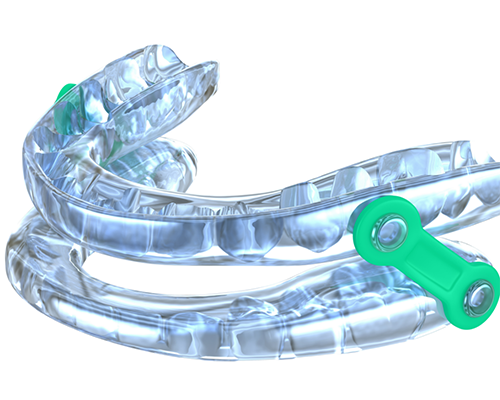
Sleep apnea has traditionally been treated with a continuous positive airway pressure (CPAP) machine, which keeps your airway open by steadily delivering oxygen through a mask. However, many patients find the CPAP too loud, uncomfortable, or inconvenient. Fortunately, there’s an alternative: SomnoMed oral appliance treatment. Dr. Oakey can design a custom-made oral appliance that you wear to bed. It slightly shifts the lower jaw forward to prevent airway blockage, allowing you to breathe normally, sleep restfully, stop snoring, and wake up feeling refreshed.